· 4 min read
The “hidden” vote
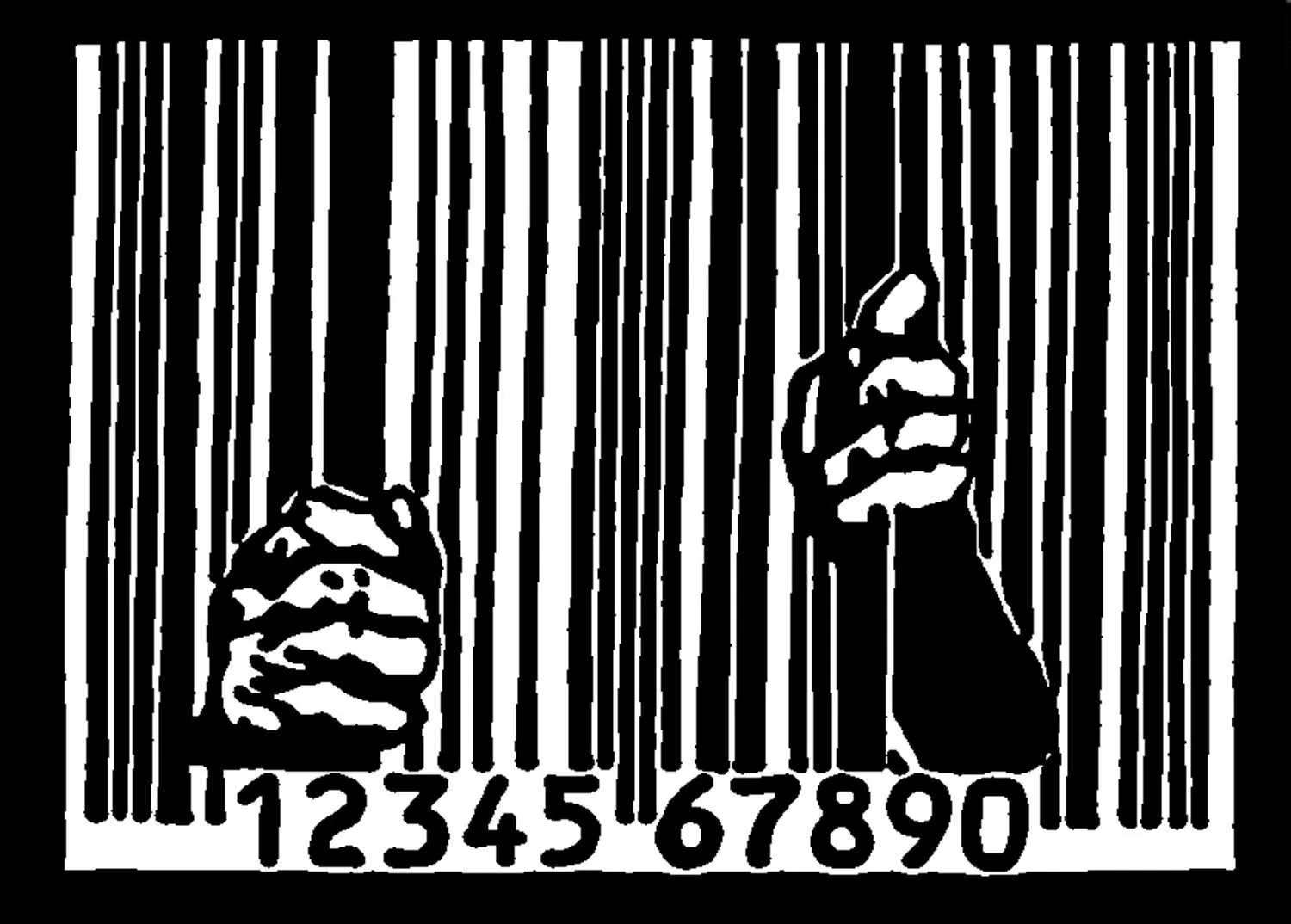
Originally written in Italian. This English version is an automatic translation and has not been reviewed: it may contain errors. Read the original
The side effects of buying a home and becoming (financially) independent from the parents who have raised you since childhood show themselves, especially at the beginning, in the huge number of choices you have to make from the moment you take the decision to the moment it is fully carried out. With immediate effect come the first expenses and the first hefty debits from your bank account, together with that whole series of objects which, out of necessity, must be present in any property before you can call it “home”. Although I am the opposite of a compulsive hoarder, some objects are clearly indispensable: the kitchen, the bathroom fittings, the bed, the books, just to name a few. While for some of them you can draw on the excessive stockpiles of our forebears, who probably felt the need to put things aside because they had lived through the economic hardship of the war and the years of reconstruction, others will have to be bought new, thus feeding the consumerist economy, which holds that objects should not last forever but should soon be discarded and thrown into landfill, to be replaced by the latest new model. It therefore becomes more necessary than ever to pay close attention when we are called to the polls.
To the polls? Yes, because after all every time we buy an object we are casting a vote: we are deciding who should receive the money we have earned through our sacrifices, who will therefore have the means and the spending power over a (small) piece of the world we live in, who should be rewarded for what they have done and who, instead, should be left empty-handed. When choosing one product over another, we should decide not only on the basis of quality or (more often) price, but also, and above all, by first finding out who will receive our money. I don’t mean the individual little shop, of course, although that matters too, but the brand and the company that makes the object in question. We’re buying a phone: do I want to fuel online retail or support physical shops? Was this cheap smartphone made in compliance with all environmental protection regulations? Is it made of recycled materials, or were workers exploited to extract the precious metals inside it? How is the company that makes it committed to improving the quality of its products and to keeping them out of landfill once they are retired? Will it support me during the product’s useful life, or will it forget about me as soon as I’ve left the shop?
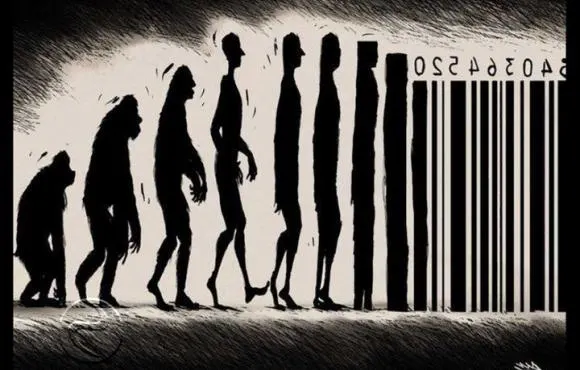
I realise it is anything but easy to answer all these questions every time we make a purchase, but it would be important to try as much as possible, not only because this way we will probably buy better-quality products that will therefore last longer, but because, one little piece at a time, we can be decisive in shaping what tomorrow’s world will look like. All too often, in fact, we delegate to politics the decisions we don’t have the courage to take, and which politicians don’t take either, because they are elected by us. Choosing whom to vote for when we buy an object is the most effective way I can think of to contribute really and immediately, however modestly, to shaping the society we would like, because money, whether we like it or not, is the engine of all things. Flows of money are the most democratic tool we hold in our hands every day, not only when a referendum is called or when we are holding the indelible pencil in the voting booth. The democracy of the third millennium will also have to feed on our (small) economic choices, because while as individuals the consequences of our decisions are limited, as a community we hold great decision-making power, which we can and must use as well as possible. Every day we buy essentials and much more, and these purchases feed the business of large and small companies, which then decide whether the path they have taken to increase their turnover is the right one or whether they need to change course. It is not strictly necessary for politics to decide to ban single-use plastic; if our community, made up of every single individual, decides to stop buying non-recyclable plastic, the market will be forced to move elsewhere, without any referendum being held or any law being repealed or passed. The wallet we open every day should remind us that every small gesture of ours has consequences and, by the law of large numbers, however small they may be, when multiplied by a population of almost 8 billion people those consequences become economically significant and have the power to change things. Be the change you wish to see in the world, says a line attributed to Gandhi; and buy responsibly, I would add. Happy shopping!



Comments